
Tattoo Healing Process: Stages, Timeline & Aftercare Tips
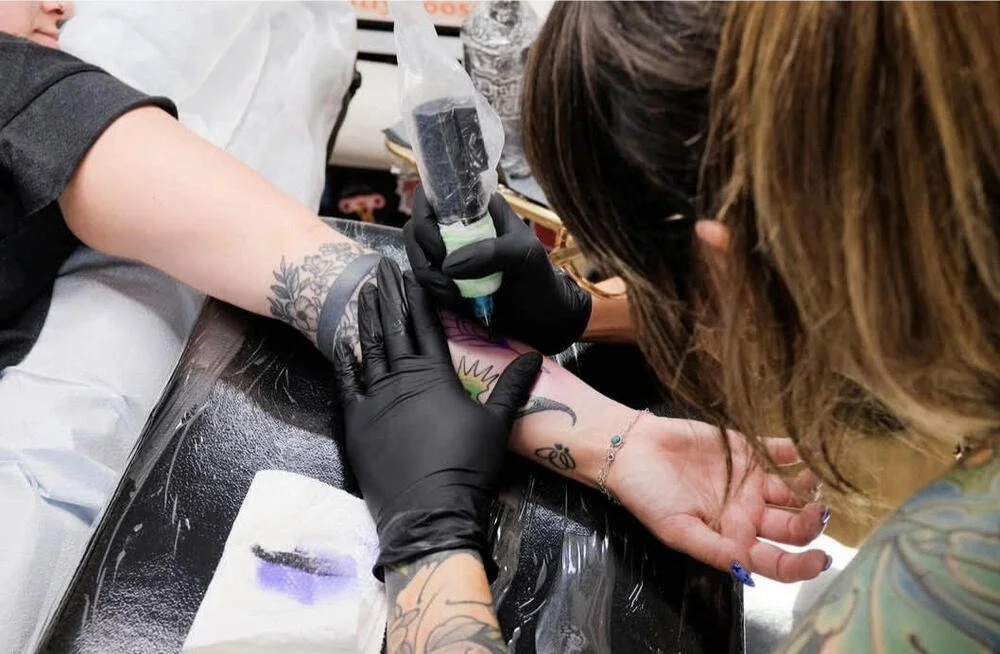
The tattoo healing process determines how your finished piece looks for years to come, so understanding what happens beneath the surface matters just as much as the design itself. At Golden Hour Tattoo in Chico, CA, we walk every client through what to expect from the moment they leave the chair to the day their skin fully recovers.
How Long Does a Tattoo Take to Heal?
Most tattoos take between two and four weeks to heal on the surface, though the deeper layers of skin can take up to six months to fully recover. Surface healing means the visible scabbing, peeling, and redness have resolved. Deeper healing involves the skin rebuilding collagen and settling into its final texture. Tattoo size, placement, skin type, and how closely you follow aftercare all affect your timeline. A small forearm piece often heals faster than a large back or thigh tattoo, simply because of surface area and movement at the site.
The Tattoo Healing Stages: What to Expect Day by Day
Understanding the stages of a tattoo healing process makes it easier to recognize what is normal and what might need attention. Walking through the tattoo healing process day by day shows how each phase looks and feels along the way.
Stage 1: Days 1 to 3, Inflammation and Oozing
Right after your session, your fresh tattoo will look shiny, swollen, and slightly raised. Some oozing of clear fluid is normal during this window, and mild redness around the edges is expected. Your artist will cover the area with a bandage, which you should leave on for the recommended time before gently washing the area with fragrance-free soap and lukewarm water. This stage calls for the most caution, since the skin is essentially an open wound.
Stage 2: Days 4 to 14, Itching and Peeling
This stage tends to be the most uncomfortable part of tattoo healing. Itching ramps up as the skin starts to flake and peel, similar to a sunburn. Resist the urge to scratch or pick at the peeling skin, since pulling at it can remove ink along with dead skin cells. Keep applying a thin layer of fragrance-free moisturizer to ease the itch and support the skin underneath. By the end of this stage, most visible peeling has stopped.
Stage 3: Weeks 2 to 4, Settling and Visible Recovery
By this point, the surface looks mostly healed. Color appears more settled, lines look cleaner, and any lingering dullness fades as the top layers of skin finish regenerating. Some people notice a slightly dry or matte appearance during this stage, which is normal and temporary. Continue moisturizing daily, and avoid direct sun exposure on the tattoo since new skin is especially vulnerable to damage.
Stage 4: Months 1 to 6, Below the Surface Healing
Even though your tattoo looks fully healed by week four, deeper layers of skin are still repairing themselves for months afterward. Collagen rebuilds, pigment settles into its permanent depth, and surrounding tissue regains its normal texture. You can resume your usual routine during this stage, but moisturizing and protecting the area from sun exposure keeps your tattoo looking sharp well into the future.
| Healing Stage | Timeline | Primary Symptoms |
|---|---|---|
| Stage 1 | Days 1–6 | Redness, minor swelling, and oozing ink/plasma |
| Stage 2 | Days 7–14 | Flaking skin, peeling, and intense itching |
| Stage 3 | Weeks 3–4 | Surface skin is healed; design looks dull or shiny |
| Stage 4 | Months 3–6 | Deep dermal layers fully recover; ink permanently settles |
Tattoo Aftercare Tips for Each Stage
Caring for your tattoo properly at every stage protects your investment and helps your artist's work heal exactly as intended. In the first few days, keep the area clean and lightly covered, and avoid soaking it in water. Once the bandage comes off, wash gently twice a day and pat the skin dry rather than rubbing it. During the peeling phase, moisturize with a fragrance-free, dye-free lotion and resist scratching even when the itching feels intense. As your tattoo settles into weeks two through four, keep moisturizing and start introducing sun protection once the skin is no longer raw. For the months that follow, sunscreen becomes your best tool for preserving color and clarity.
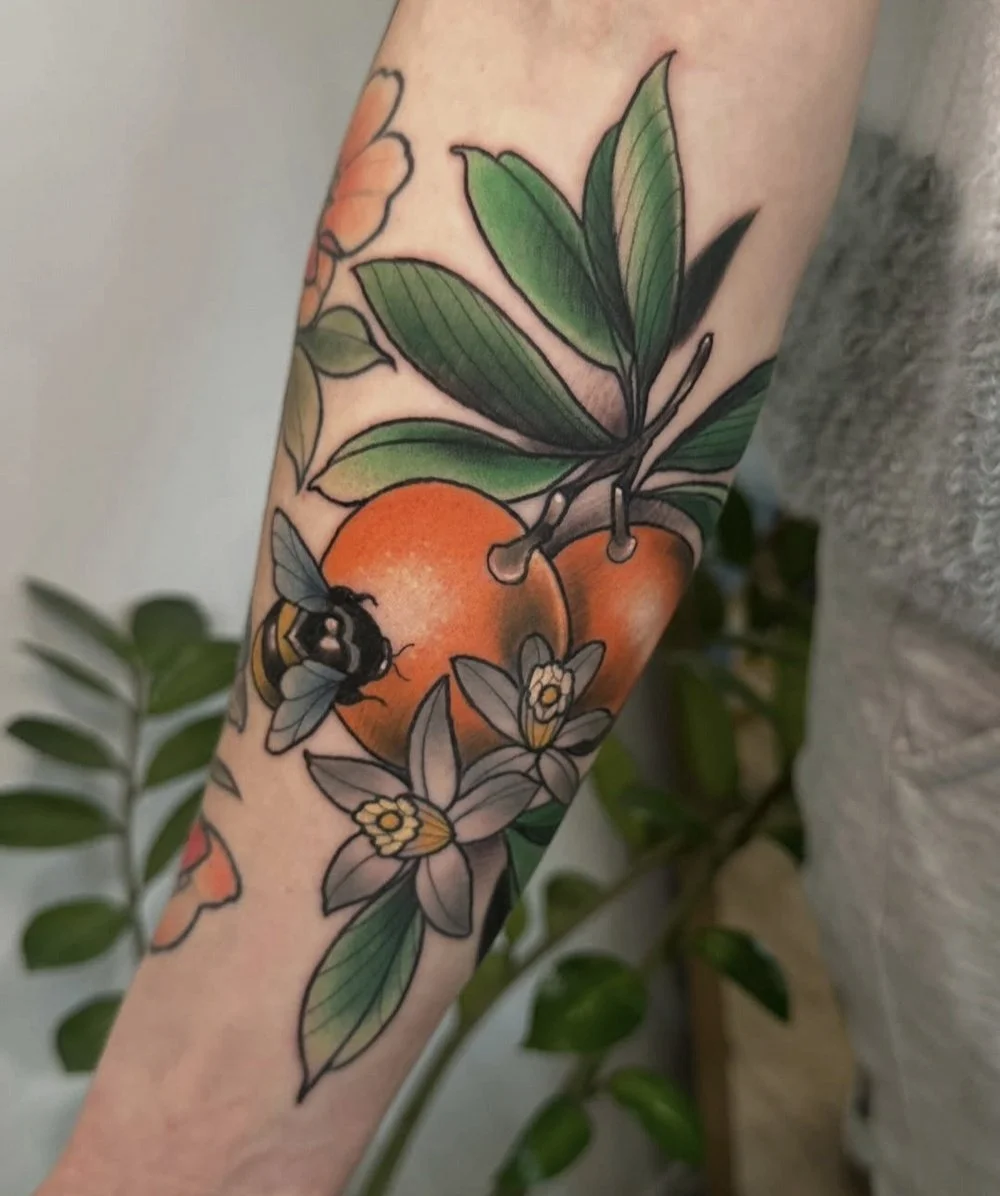
What to Avoid While Your Tattoo Is Healing
Certain everyday habits can severely interfere with proper tattoo healing and permanently distort how your finished design looks. To protect your fresh ink, make sure to avoid these five major hazards during the recovery process:
Submerging in Water (Swimming and Baths): Avoid swimming pools, hot tubs, lakes, and oceans until your tattoo is completely closed and finished peeling. Submerging raw skin introduces dangerous bacteria that can cause infections, and harsh chemicals like chlorine can leach the vibrant ink right out of your skin.
Heavy Sweating and Intense Workouts: Skip strenuous activities that cause excessive sweating or heavy physical friction against the tattooed area. Sweat can trap bacteria against the healing skin, while intense movement can prematurely crack or tear delicate scabbing.
Tight or Restrictive Clothing: Tight fabrics rubbing against a fresh tattoo can create friction, trap moisture, and pull off healing flakes before they are ready to shed. Opt for loose, lightweight, and breathable fabrics over the area instead.
Direct Sunlight and Tanning Beds: Keep your healing tattoo completely out of direct sunlight. Ultraviolet (UV) exposure acts like a laser, breaking down raw ink pigments and severely damaging the fragile, regenerating skin layers. Note: Do not apply sunscreen to a tattoo until it is fully healed; rely on loose clothing for shade early on.
Picking, Scratching, or Peeling the Skin: No matter how intense the itching phase gets, never pick or pull at the flaking skin manually. Forcing a scab off prematurely pulls ink straight out of the deeper dermis, leaving permanent faded spots or scarring in your design.
Signs Your Tattoo Is Healing Properly
A healthy healing tattoo follows a fairly predictable pattern. Mild redness and swelling in the first few days, followed by peeling and itching, are normal signs your skin is doing its job. Color may look slightly muted under dry or flaking skin, then brighten once that layer sheds. Some tightness or dryness is common as new skin forms. As long as symptoms gradually improve rather than worsen, your tattoo is on track.
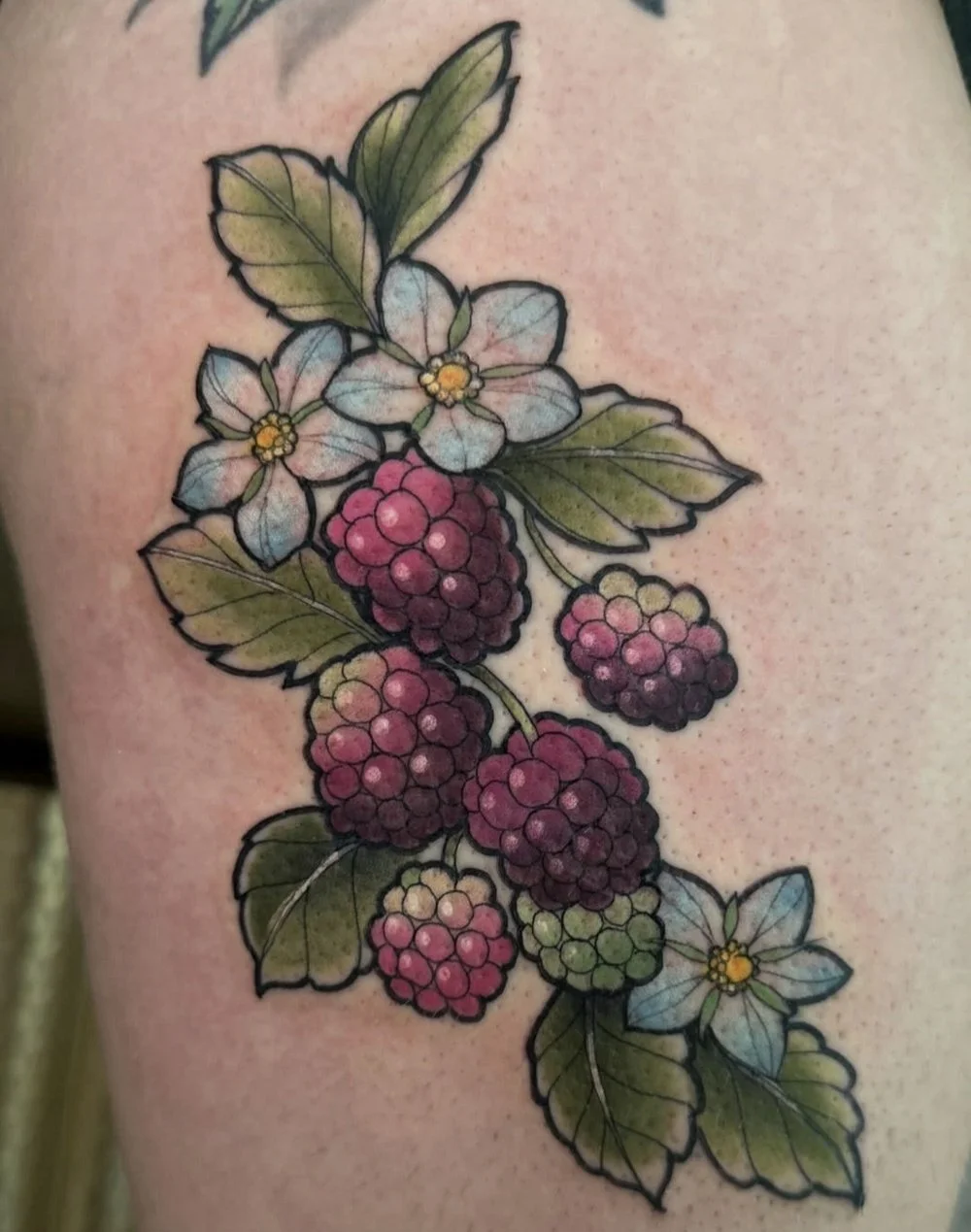
Signs of Tattoo Infection (When to Worry)
While most irritation during tattoo healing is completely normal, certain symptoms point to infection and need prompt attention.
Critical Warning Signs: If you experience any of the symptoms below, contact a medical professional immediately rather than waiting for the issue to resolve on its own.
Spreading Redness and Heat: Redness and swelling that progressively worsen and expand outward beyond the borders of the tattoo after the first three days.
Abnormal Discharge (Pus): Oozing fluid that becomes thick, cloudy, and yellow or green in color, often accompanied by a foul odor. (Healthy tattoos only weep clear or ink-tinted plasma during the first 48 hours).
Severe Pain or Throbbing: Pain that increases in intensity over time rather than dulling down.
Systemic Symptoms: Developing a fever, body chills, or noticing visible red streaks extending outward from the tattoo site toward your heart.
Get Tattooed at Golden Hour Tattoo in Chico, CA
At Golden Hour Tattoo, every client leaves with clear tattoo aftercare instructions tailored to their piece and skin type. Our team is happy to answer questions at any stage of your healing journey, whether you are three days in or three months out. If you are ready to plan your next tattoo, reach out to book a consultation with one of our artists today.
FAQs
How long does a tattoo take to heal completely?
Surface healing typically takes two to four weeks, while the deeper layers of skin continue repairing for up to six months. Most of the visible signs, like redness, peeling, and scabbing, resolve within the first month. Factors like tattoo size, placement, and how well you follow aftercare instructions all influence your specific timeline. Larger pieces or tattoos placed on areas with more movement, like hands or feet, often take longer to heal fully. Smaller, simpler designs in low-friction areas tend to heal faster. Sticking closely to your aftercare routine gives your tattoo the best chance of healing on schedule and looking its best once fully recovered.
How do you tell if a tattoo is healing properly?
A properly healing tattoo follows a predictable pattern of mild redness, swelling, and oozing in the first few days, followed by itching and peeling over the next week or two. Color may look temporarily dull beneath flaking skin, then brighten once that layer sheds away. Some dryness and tightness are common as new skin forms underneath. As long as your symptoms gradually improve rather than worsen, and you are not seeing spreading redness, unusual discharge, or fever, your tattoo is healing as expected.
Is tattoo peeling normal?
Yes, peeling is a completely normal part of tattoo healing. As your skin repairs itself, the top layer of damaged skin sheds, similar to what happens after a sunburn. This usually starts a few days after your session and continues for one to two weeks. The peeling can make your tattoo look temporarily faded or patchy, but the color underneath is still intact. Avoid picking at peeling skin, since this can pull out ink and disrupt the healing process. Letting it shed naturally and keeping the area moisturized helps the skin heal evenly.
Can I shower with a new tattoo?
Yes, showering is fine and recommended for keeping your tattoo clean, though baths, swimming, and soaking should be avoided. Once your initial bandage comes off, gently wash the area with fragrance-free soap and lukewarm water, using your hand rather than a washcloth. Avoid direct, high-pressure water streams on the tattoo itself. Pat the area dry with a clean towel instead of rubbing it. Submerging a fresh tattoo in water, whether in a bathtub, pool, or natural body of water, increases the risk of infection and can pull color out of the skin before it has fully set.
Can I exercise while my tattoo is healing?
Light activity is generally fine, but intense exercise should wait until your tattoo has progressed past the initial healing stages. Sweating can irritate fresh skin and increase infection risk, while stretching or friction from clothing can disrupt scabbing and pull at the design. Activities involving pools, lakes, or shared gym equipment that contacts the skin should be avoided entirely until the tattoo is fully closed. Most artists recommend waiting at least one to two weeks before resuming intense workouts, and longer for larger pieces. When in doubt, ask your artist for guidance specific to your tattoo.